Cost-effective heating option
When it comes to heating options, wood-burning fireplaces are often seen as a cost-effective choice. Choosing the Right Materials for Your Fireplace Remodel . While they can provide warmth and ambiance to a room, there are also some drawbacks to consider.
One of the main advantages of a wood-burning fireplace is that wood is generally a more affordable fuel source compared to gas or electricity. This can help save on heating costs during the colder months. Additionally, the crackling sound and smell of a wood fire can create a cozy atmosphere that many people enjoy.
However, there are also some downsides to using a wood-burning fireplace. One major concern is the environmental impact of burning wood, which can contribute to air pollution and deforestation. In addition, the maintenance and upkeep of a wood-burning fireplace can be time-consuming and messy. Regular cleaning of the chimney and disposal of ash are necessary tasks to ensure safe and efficient operation.
Overall, the decision to use a wood-burning fireplace as a heating option depends on personal preferences and priorities. While they can be a cost-effective and charming choice, it is important to weigh the pros and cons before making a decision.
Creates a cozy and inviting atmosphere
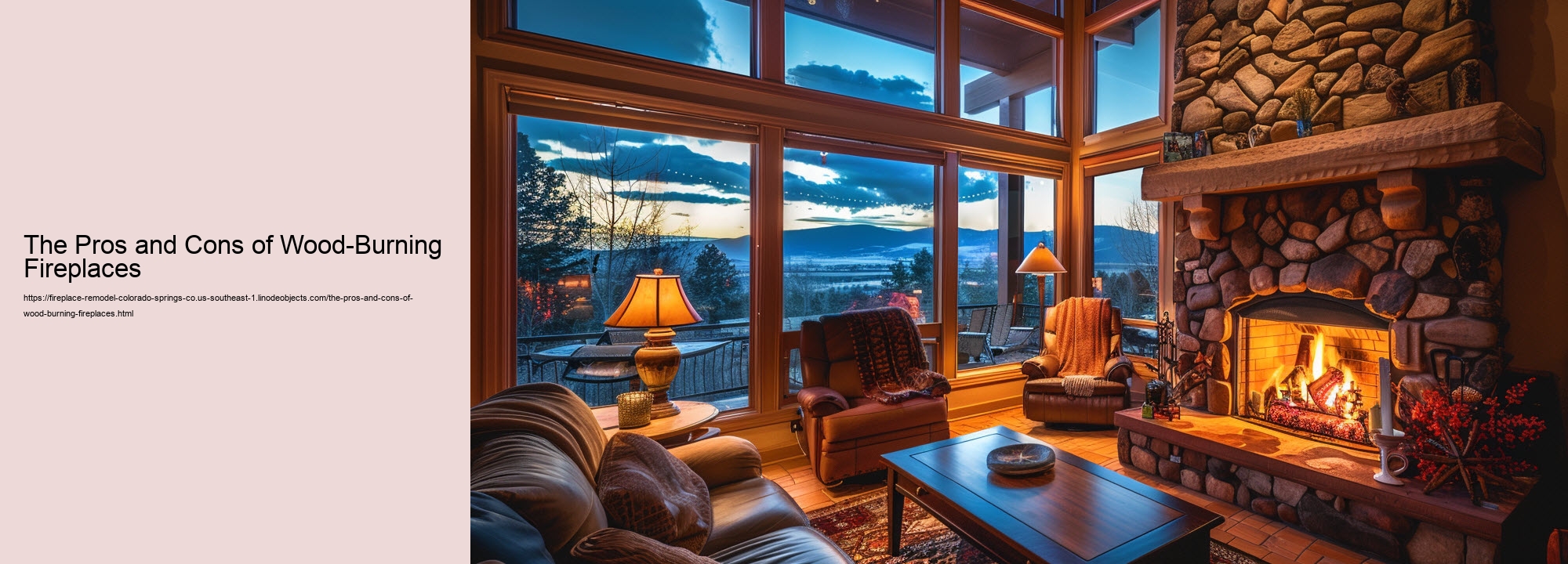
Wood-burning fireplaces have long been a popular choice for homeowners looking to create a cozy and inviting atmosphere in their homes. The crackling of the fire and the warm glow of the flames can instantly make a room feel more comfortable and welcoming.
One of the biggest advantages of wood-burning fireplaces is their ability to create a natural and rustic ambiance that is hard to replicate with other types of heating sources. The smell of burning wood and the sight of dancing flames can evoke feelings of nostalgia and relaxation, making them a favorite feature for many people.
However, there are also some drawbacks to consider when it comes to wood-burning fireplaces. One of the main concerns is the environmental impact of burning wood, as it releases pollutants into the air that can be harmful to both the environment and human health. In addition, wood-burning fireplaces require regular maintenance and cleaning to ensure they are operating safely and efficiently.
Despite these drawbacks, many people still choose wood-burning fireplaces for their homes because of the cozy and inviting atmosphere they create. Whether it's for a romantic evening by the fire or a cozy night in with family and friends, a wood-burning fireplace can add a touch of warmth and charm to any room.
Can be a source of renewable energy
Wood-burning fireplaces have been a popular choice for heating homes for centuries. While they can be a source of renewable energy, there are both pros and cons to consider when using them.
One of the main advantages of wood-burning fireplaces is that wood is a renewable resource. As long as trees are responsibly harvested and replanted, the supply of firewood can be replenished. This makes wood-burning fireplaces a more sustainable option compared to fossil fuels like coal or oil.
Additionally, wood-burning fireplaces can provide a cozy and inviting atmosphere in a home. The crackling sound of the fire and the warmth it provides can create a sense of comfort and relaxation, especially during the colder months.
However, there are also some drawbacks to using wood-burning fireplaces. One major con is the environmental impact of burning wood. While wood is renewable, the combustion process releases carbon dioxide and other pollutants into the air, contributing to air pollution and climate change.
Another downside is the maintenance required for wood-burning fireplaces. Regular cleaning and chimney inspections are necessary to ensure the safety and efficiency of the fireplace. In addition, storing and seasoning firewood can be a time-consuming task.
In conclusion, wood-burning fireplaces can be a source of renewable energy, but they also have their drawbacks. It is important for homeowners to weigh the pros and cons before deciding whether to use a wood-burning fireplace in their home. By considering the environmental impact and maintenance requirements, individuals can make a more informed decision about this heating option.
Requires regular maintenance and cleaning
Wood-burning fireplaces are a classic and cozy addition to any home, but they do come with their own set of pros and cons. One major downside to having a wood-burning fireplace is that it requires regular maintenance and cleaning.
In order to keep your fireplace functioning properly and safely, you must regularly remove ash and debris, clean the chimney, and inspect for any damage. This can be a time-consuming and dirty task, but it is essential for the longevity of your fireplace and the safety of your home.
On the positive side, regular maintenance and cleaning can help prevent dangerous chimney fires and ensure that your fireplace is operating efficiently. It can also extend the lifespan of your fireplace and reduce the risk of costly repairs down the line.
Overall, while the upkeep of a wood-burning fireplace may require some time and effort, the cozy ambiance and warmth it provides are well worth it. Just remember to stay on top of maintenance and cleaning to keep your fireplace in top condition for years to come.
Can contribute to indoor air pollution
Wood-burning fireplaces are a timeless addition to any home, adding warmth and ambiance to a room like no other. However, they do come with their own set of pros and cons. One major issue with wood-burning fireplaces is that they can contribute to indoor air pollution.
When wood is burned, it releases harmful pollutants such as carbon monoxide, nitrogen oxides, and particulate matter into the air. These pollutants can have negative effects on our health, especially for those with respiratory conditions such as asthma or COPD. In addition, the smoke from a wood-burning fireplace can create a smoky smell that lingers in the air and on clothing and furniture.
To combat indoor air pollution from wood-burning fireplaces, it's important to properly maintain and clean your fireplace on a regular basis. This includes having your chimney inspected and cleaned annually, using seasoned hardwood that has been properly dried, and ensuring proper ventilation in the room where the fireplace is located.
While wood-burning fireplaces can add charm and warmth to a home, it's important to be aware of the potential for indoor air pollution that they can cause. By taking proper precautions and staying on top of maintenance, you can enjoy the cozy benefits of a wood-burning fireplace without compromising your indoor air quality.
Risk of chimney fires
When considering the pros and cons of wood-burning fireplaces, one important factor to keep in mind is the risk of chimney fires. While the warm and cozy ambiance of a crackling fire may be appealing, it is essential to be aware of the potential dangers that come with using a wood-burning fireplace.
One of the primary risks associated with wood-burning fireplaces is the buildup of creosote in the chimney. Creosote is a highly flammable substance that can accumulate in the chimney over time as a result of burning wood. If not properly cleaned and maintained, this buildup can ignite and lead to a chimney fire. These fires can be extremely dangerous, causing significant damage to the home and posing a threat to the safety of those inside.
To mitigate the risk of chimney fires, it is crucial to have your chimney inspected and cleaned regularly by a professional chimney sweep. Additionally, it is essential to use dry, seasoned wood and avoid burning materials that can contribute to creosote buildup, such as treated wood or trash.
While the risk of chimney fires is a significant concern for wood-burning fireplace owners, it is not the only factor to consider when weighing the pros and cons of this heating option. Ultimately, it is essential to weigh the potential dangers against the benefits of a wood-burning fireplace, such as the warmth and ambiance it provides, and take the necessary precautions to ensure safe and responsible use.
Limited heat distribution
One of the downsides of wood-burning fireplaces is their limited heat distribution. While these fireplaces can provide a cozy and inviting atmosphere in a room, they are not always the most efficient when it comes to heating larger spaces.
Due to the nature of wood-burning fires, the heat they produce tends to stay localized around the fireplace itself. This means that if you are looking to heat multiple rooms or a larger area of your home, a wood-burning fireplace may not be the most practical option.
Additionally, the heat distribution from a wood-burning fireplace can be inconsistent. As the fire burns down, the heat output may decrease, leaving you with a fluctuating temperature in the room.
On the other hand, some people appreciate the limited heat distribution of wood-burning fireplaces for its cozy and intimate feel. The warmth radiating from the fire can create a comfortable spot for lounging and relaxing, perfect for a cold winter evening.
Overall, while the limited heat distribution of wood-burning fireplaces may not be ideal for heating a large space, it can still provide a charming and inviting ambiance in smaller areas. It's important to weigh the pros and cons of wood-burning fireplaces to determine if they are the right choice for your home.
Dependence on availability of firewood
Wood-burning fireplaces have been a staple in homes for centuries, providing warmth and ambiance to families all over the world. However, one major drawback of this traditional heating method is the dependence on the availability of firewood.
One of the main advantages of wood-burning fireplaces is the cozy and rustic atmosphere they create in a home. The crackling of the fire and the scent of burning wood can create a sense of comfort and relaxation that is hard to replicate with other heating sources. Additionally, wood is a renewable resource, making it a more environmentally friendly option compared to fossil fuels.
On the other hand, the reliance on firewood can be a significant drawback for those who live in areas where it may be difficult to obtain or expensive to purchase. In some regions, deforestation caused by the demand for firewood can have serious environmental consequences, leading to habitat loss and soil erosion. Furthermore, burning wood releases pollutants into the air, contributing to poor air quality and respiratory issues.
In conclusion, while wood-burning fireplaces have their benefits, the dependence on the availability of firewood is a significant factor to consider. It is important for homeowners to weigh the pros and cons of using a wood-burning fireplace and explore alternative heating options that may be more sustainable and environmentally friendly in the long run.